Blog Feed

Safety in Colombia

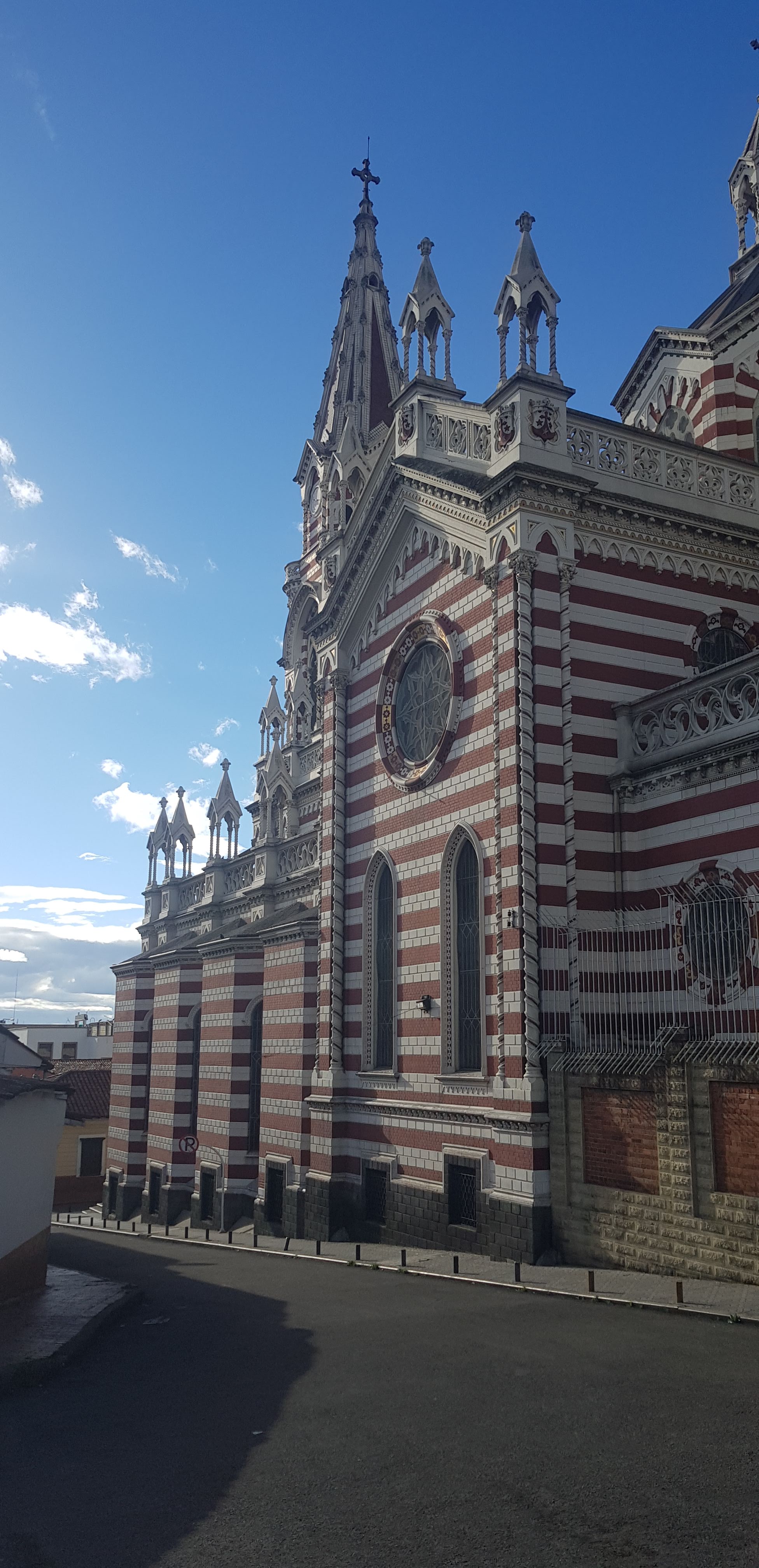
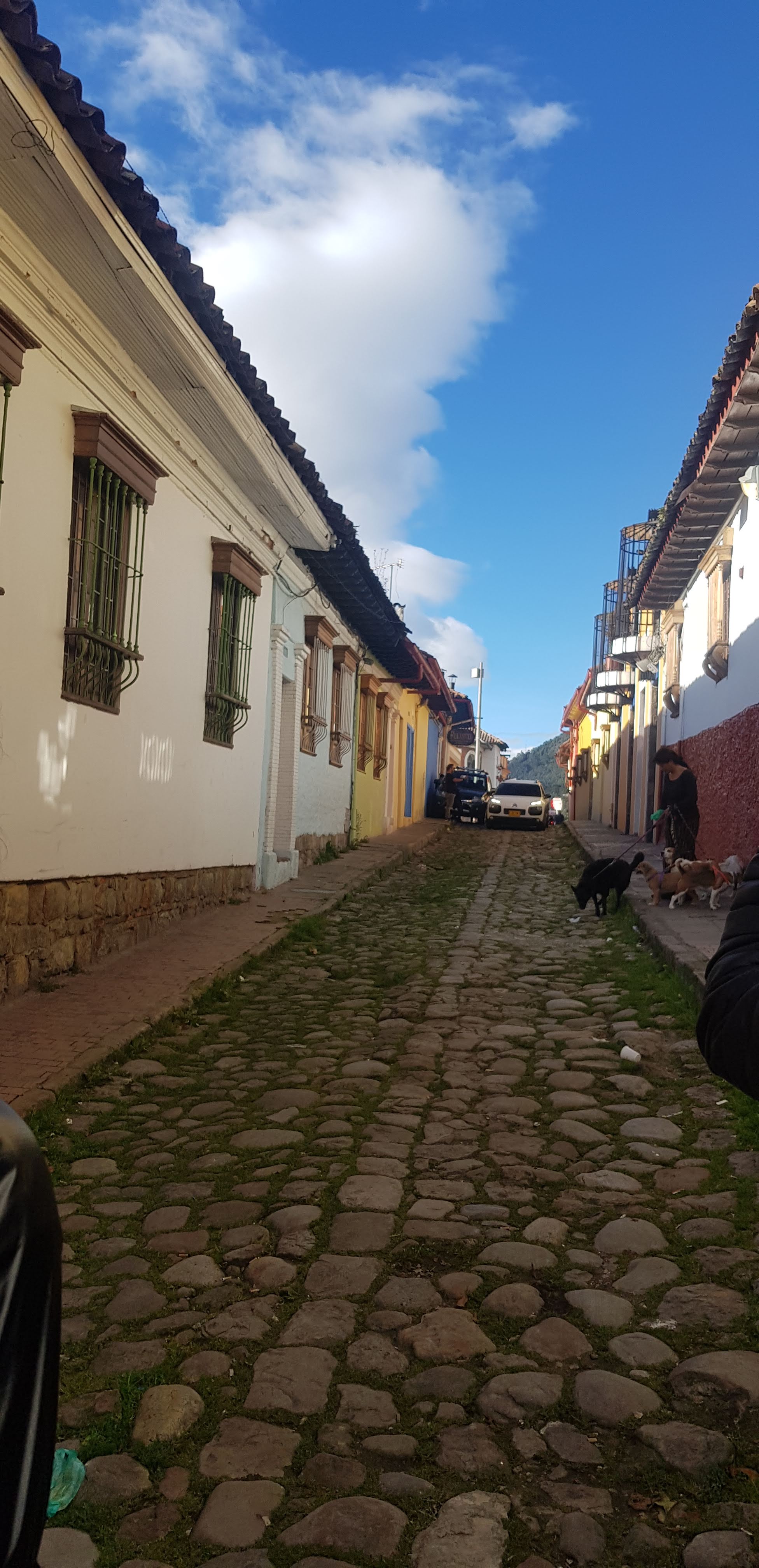
“If someone threatens you with a weapon or a knife: Please, give them everything you have. They will shoot you. They will kill you. It’s not worth it.” with these lovely words ended a representative of the abroad office of the Universidad de Los Andes his presentation about health and safety in Colombia. Shortly before that, he showed us a map of Bogotá and the homicide rates in each area; la Candelaria, the district where our university is located and where most of us live, clearly showed the highest murder rate.

Whenever I told people I was going to move to Colombia for a year, most were concerned for my safety. After all, Colombia is a country marked by drug violence (at least in the eyes of a European). But how dangerous is Colombia really? Is it safe to walk the streets by night? By day? Have I been robbed yet?

After living here for over 6 weeks, I can genuinely say that I feel safe here. By day, you don’t have to worry about getting stabbed or robbed, at least not in most parts of the city (some districts are even avoided by the locals, so it is highly advised against going there in the first place). At night, you have to be more careful: generally after around 10 pm, you shouldn’t walk the streets on your own. Especially after a night out you should go home by taxi, as many party areas are targeted by robbers. In night clubs, pickpockets are extremely common as well; in only one single night, four people I know got their phones stolen.

There are some basic safety tips we were given to avoid being robbed. The major one is “no dar papaya – don’t give papaya”. It basically means that you shouldn’t offer a thief the chance to rob you; this includes displaying expensive items in the streets, having your phone out in public, don’t be aware of your bags, or knowingly walking into a dangerous neighbourhood at night. Generally speaking, it is important to be aware of your surroundings and belongings; if something seems suspicious, try to remove yourself from the situation.

Following these guidelines, I have never experienced any danger during my time here (so far). However, it is important to point out that the areas I usually spend time in are heavily monitored. There are cameras everywhere, my apartment building and my campus have security guards and access through the security gates is only granted with a valid student ID. Furthermore, there are security guards with dogs everywhere around campus. Therefore, it is very unlikely that anything will happen to me in these areas.

This doesn’t mean that it is impossible. I know exchange students who have been victims of robbery here and I will not take any chances. The biggest lesson regarding security in Colombia is that it can happen to anyone and if you don’t behave in a particularly stupid way, the only difference between you and a victim of crime is probably sheer luck.

Why I am not funny in Colombia: Living in a Spanish-speaking country with limited Spanish skills

Disclaimer: I know I’m not very funny in other languages either.

Moving to a country with a foreign language brings all kind of challenges. Too many times have I accidentally ordered the wrong food, given a completely irrelevant and confusing answer to a question because I had misunderstood what I was asked, given way too little food because I didn’t hear the price of an item right, and countless other occasions that left me and my conversation partner utterly confused and frustrated. This isn’t even exclusive to oral misunderstandings; one time, I read a 40 page text about zapatistas and was wondering why I had to read a source about people who make shoes for my Latin American history class (zapatos = shoes). Turns out, there used to be a guy named Emiliano Zapata, who was a very important figure in the Mexican Revolution, and his followers called themselves zapatistas. I read a whole text without realising that this couldn’t possibly be about the fantastic trade of shoe-making. That’s how confused I am by Spanish.

While my Spanish has improved in my time here, it is still very, very far from perfect or fluent and I still encounter uncomfortable situations very frequently. Thanks to my own arrogance, I also exclusively have classes in Spanish (there are some that are taught in English). This leads me to the point of this blog post: I have noticed how much language influences your personality and how people perceive you.

Spanish Smart GIF - Smart Spanish ModernFAmily GIFs

I most strongly notice this during my lectures. Besides not being able to understand everything (or anything, as it was the case at the beginning of the semester), in my classes in England, I am usually one of the people that won’t shut up (not because I have so many smart things to say, but rather because I like to feel involved). In Colombia, I rarely (if ever) participate in class, simply because the language barrier creates too much doubt about understanding a question right and being able to express my answer in a way that doesn’t make me look like a simpleton. This takes away a large part of how I identify myself; if I am usually one of the most active people in class, and now I sit still and hope for the best when trying to understand the lecture, how much of my personality has changed? Even if I give an answer or ask a question, it will not sound very eloquent or intelligent because I am not able to express myself properly (or simply because my thoughts won’t make any sense anyway, let’s be honest).

This is also important in social situations. Being able to do small talk is extremely difficult when you’re not 100% comfortable with the language. It gets worse when the other person notices that you’re struggling with expressing yourself and tries to help by switching to English – while I know this is meant to be nice, it feels like the ultimate defeat. Hence, the title of this post: I don’t think I have ever cracked a joke in Spanish. Whether you think I am funny or not, you can’t deny that I joke a lot. To me, telling jokes is the epitome of language fluency: it shows you are able to understand the sentence structure and natural intonation of the language to the extent that you can manipulate them to be funny. Puns and sarcasm are particularly difficult. If you think my perception of the relationship between language and humour is exaggerated, try translating a joke into another language. You have to change the wording, timing, structure, and most likely, the joke won’t work. In day-to-day situations, you also have to know when a funny comment is appropriate or not, so not perfectly understanding everything around you is extremely difficult.

I am not saying that I don’t talk to anyone here in Colombia or that I present myself as the driest and most boring person ever, but I do feel like it is extra hard to express your personality if you are not fluent in the native language. I just thought it’s interesting to reflect on the connection between personality and language, as I have never considered them to be so close before. My goal here is to be able to be at least remotely funny in Spanish, so that Colombians also have the honour of enjoying my legendary humour.

Being vegan in Colombia

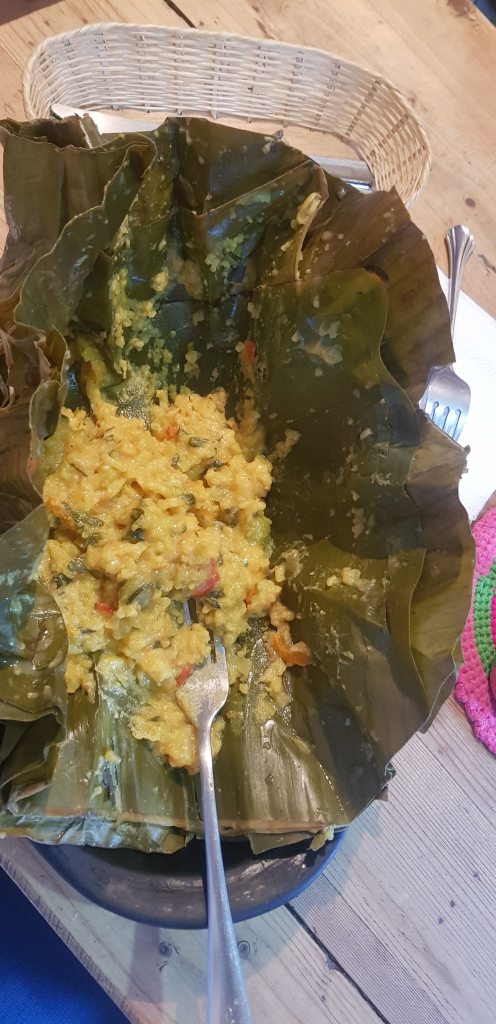
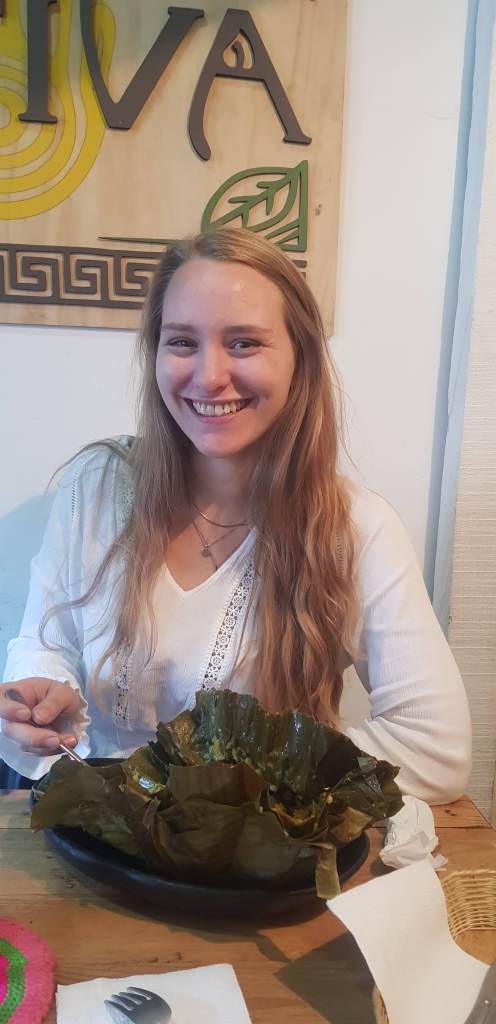
Me eating a traditional Colombian dish (tamal), which is usually made with meat. One of my favourite restaurants (Nativa) has a vegan version!

I have been vegan for about four years now. Since this lifestyle is a big part of my life and very important to me, I didn’t even think about giving it up when going to Colombia. Having lived in European countries all of my vegan life, I knew that there were going to be challenges and uncomfortable situations because of my decision to exclude all animal products from my diet.

Colombia is a meat-loving country. Almost all national dishes (e.g. Tamal, Arepa, Bandeja Paisa) are based on meat. Most street food contains meat, so do most dishes at restaurants. Apart from the meat, there is also a strong passion for cheese. I once contemplated with a friend how difficult it must be to be seriously lactose intolerant in this country – even if not indicated in the menu, most food is served smothered in cheese.

To me, it is absolutely unthinkable to give up veganism. To me, it is the best way to help the planet and end animal suffering, and – most importantly – it was always extremely easy to me. Access to vegan alternatives for anything imaginable is pretty much given in most European countries; at least in Austria and England, where I spend most of my time. Plant-based milk, yogurt, chocolate, junk food, ice cream, hummus – everything a vegan could wish for is mostly available in common supermarkets.

In Colombia, things are different. Thankfully Bogotá is the capital of Colombia, thus probably one of the most progressive ones. Yet, I really struggled in the beginning to a) find sources of restaurants and supermarkets that cater to vegans and b) avoid all animal products. Regarding the latter, I have had a LOT of incidents of me buying and eating a meal and later realising it contained cheese or eggs. These things happen, and they have also happened to me outside of Colombia. While it is annoying, I try to not get too hung up on it, move on and see it as a lesson to be more careful.

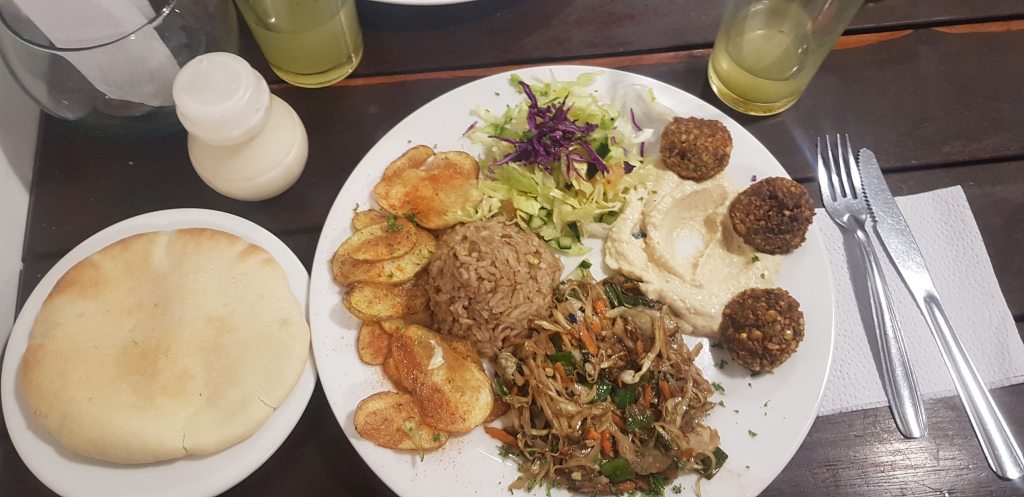
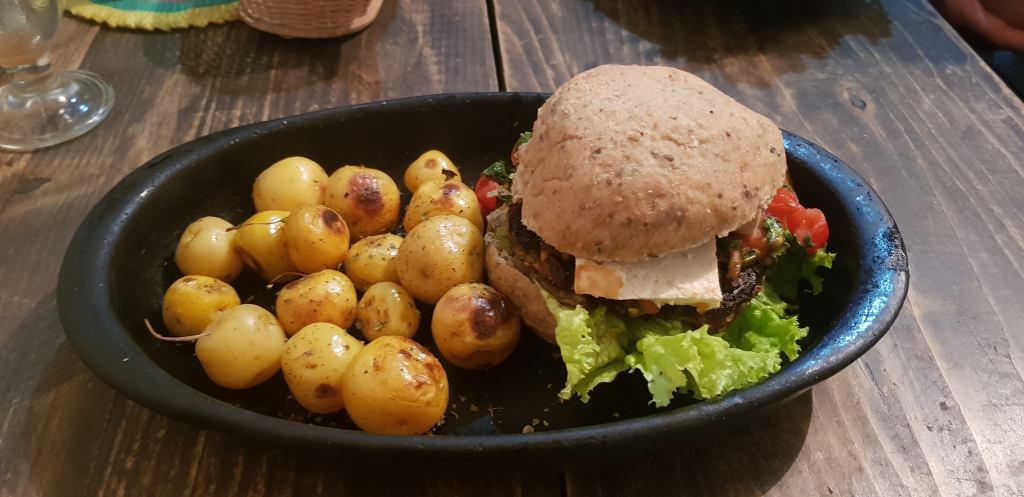
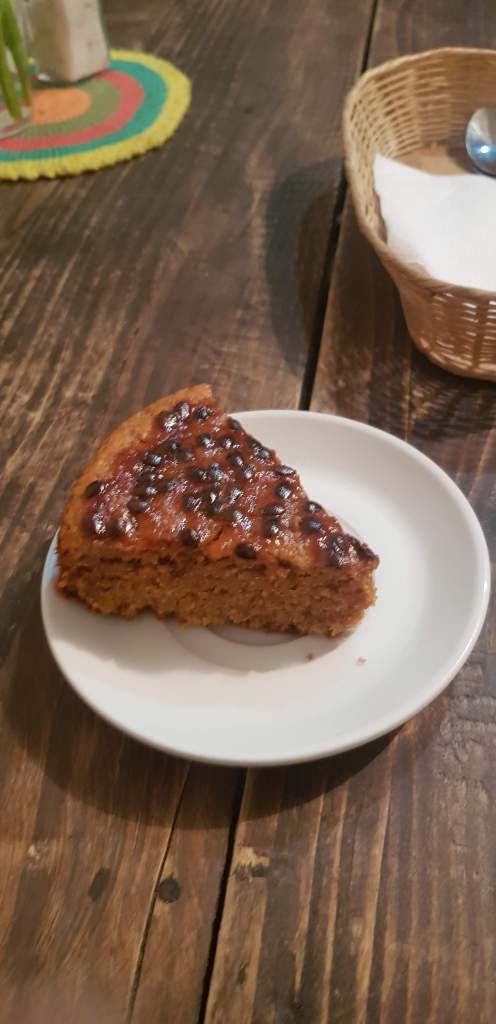
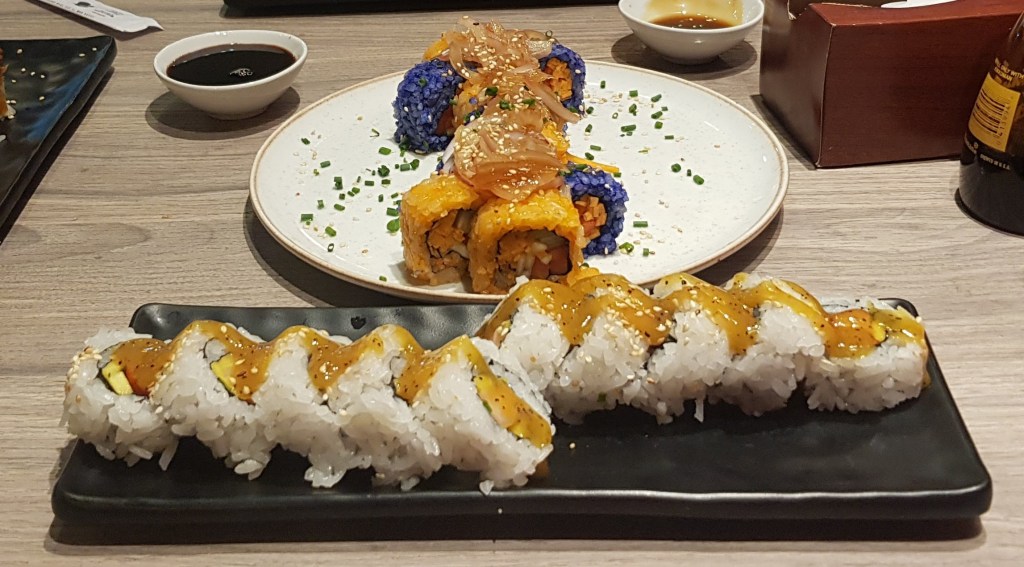
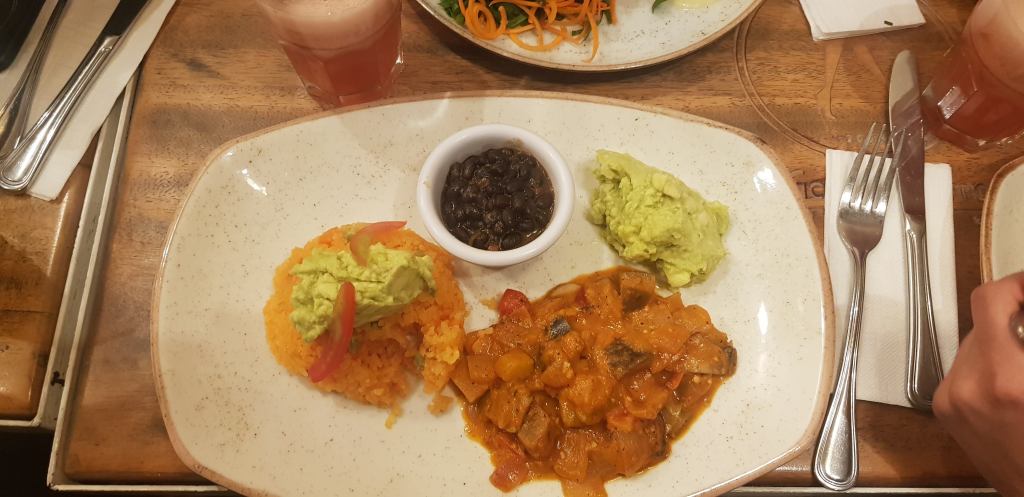
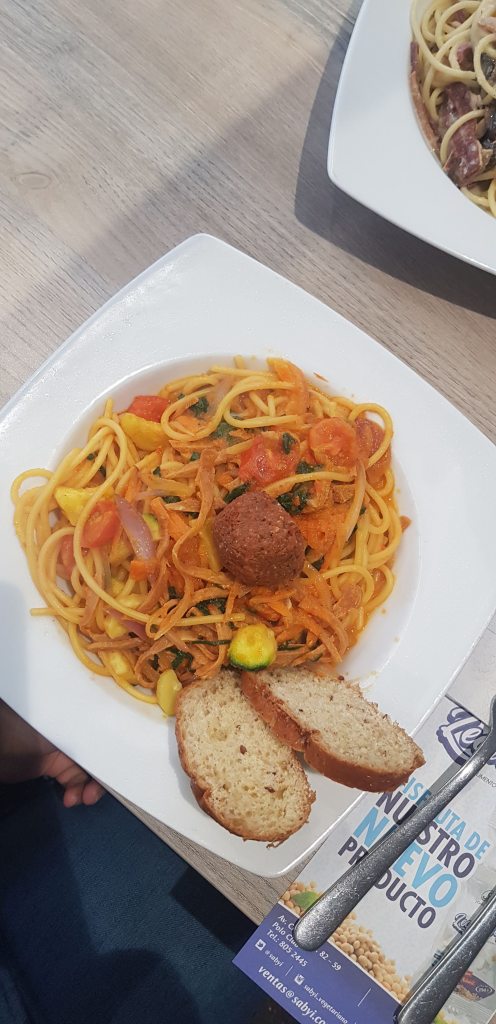
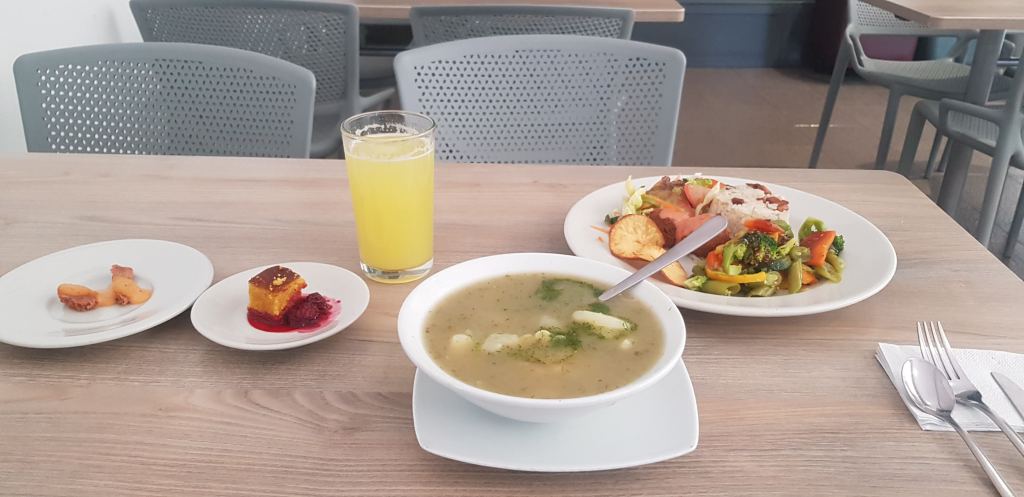
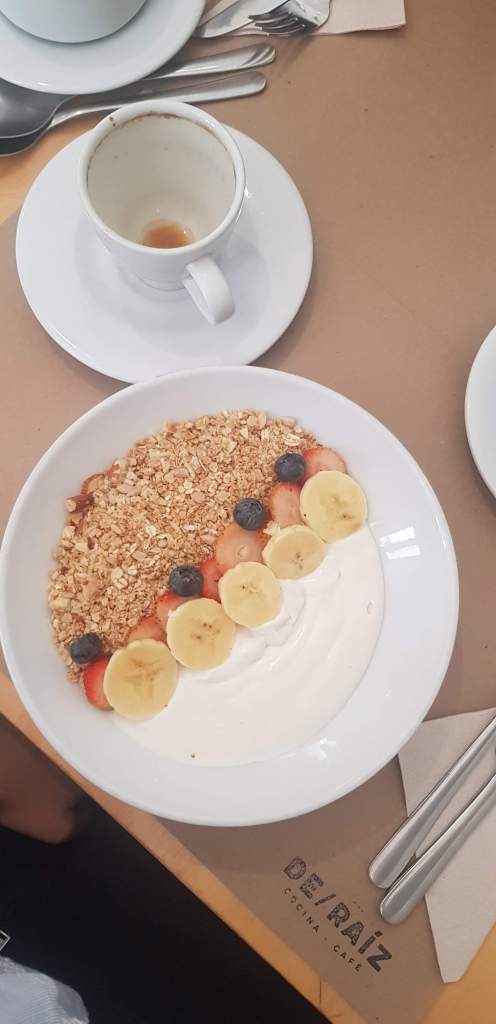
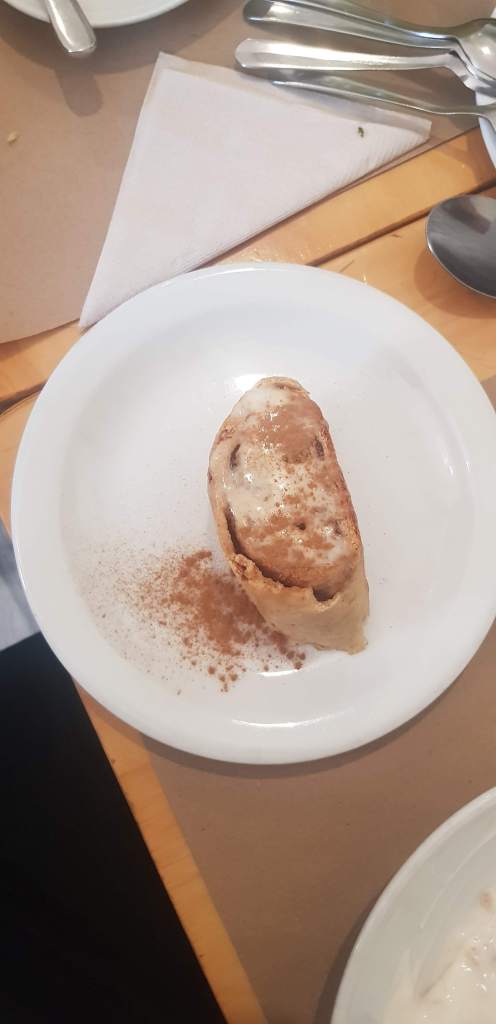
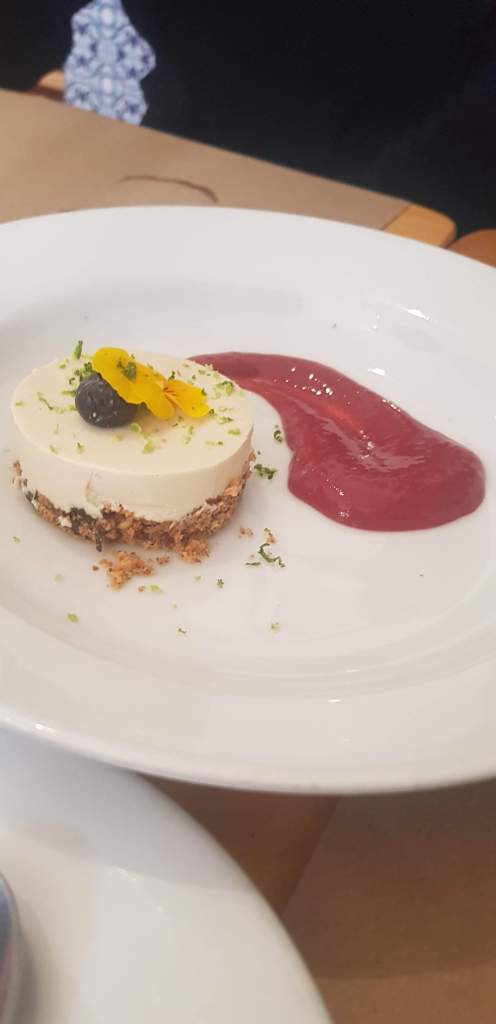
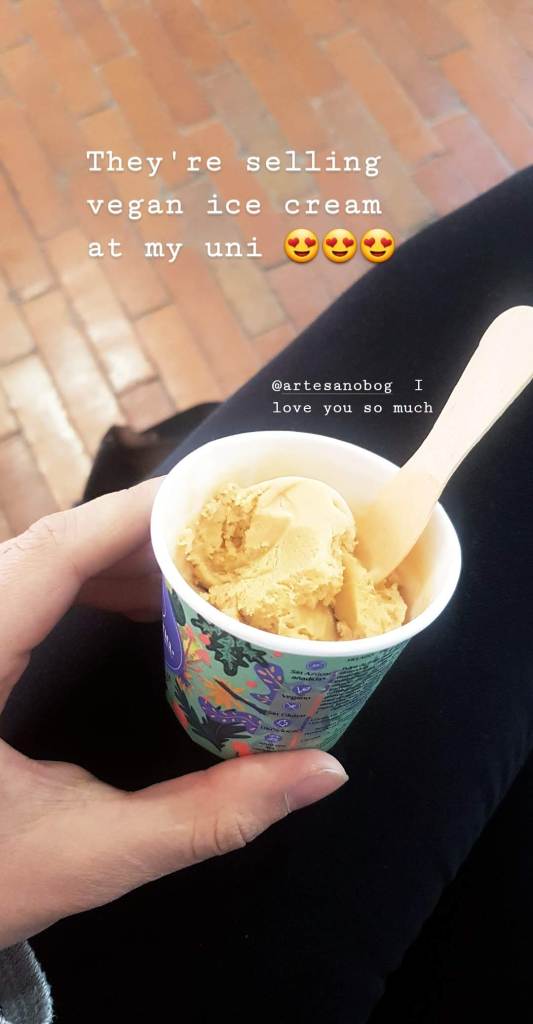
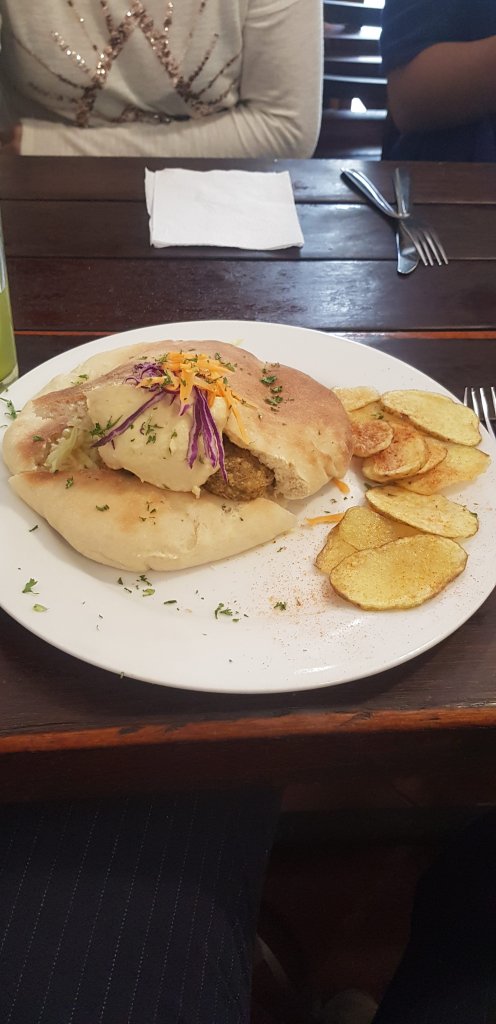
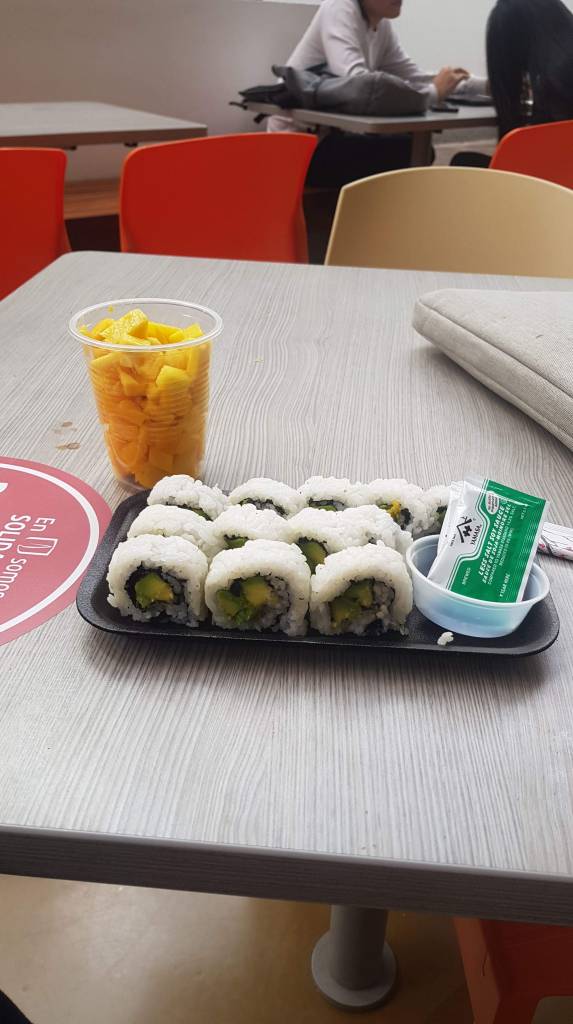
Now coming to the more cheerful part: Bogotá actually has a lot of wonderful vegan options to offer. While I was living off Subway sandwiches and fruit 5 weeks ago, I am now getting to know more and more vegan food places and products. Some of my favourite dishes are pictured below. Among others, there is a fully vegetarian restaurant with an insane amount of vegan options in my apartment building (Sabyi), a completely vegan restaurant with amazing vegan pasta, burgers and vegan tamal (Nativa), an Arabic place with delicious pita bread, hummus and falafel (Pita Wok). There is even a student-run programme at my university that provides a vegan lunch every day. My favourite so far is a vegan restaurant called ‘De Raíz‘ that carries the most incredible vegan food. So far I’ve only been there once, but I will definitely become a regular costumer in the future!

Telling people I’m vegan here usually receives the response of pity. “You’re vegan? Here?” They often say. And yes, being vegan in Colombia is definitely more challenging than in areas with higher levels of veganism. However, I have also learned that you can always find a way to continue your lifestyle, even in a more difficult environment. I never went hungry nor was I ever tempted by non-vegan options.

On the other hand, I am curious to see if everything will work out as easily when I start travelling. Especially when going to the pacific coast, where even roads or an internet connection are not commonplace yet. In any case, I will do my best to stick to my lifestyle and will report back with results!

General Update: How’s life in Bogotá?

As of time of writing, I have now spent 46 days in Bogotá, Colombia. I am in the 6th week of university, have already failed multiple tests, moved apartment, climbed Monserrate three times and (almost) mastered the Colombian national sport Tejo.

So far, I would describe my time in Colombia as amazing, but challenging at the same time. I have struggled a lot with the amount of work I have to do for university, to the point at which I considered going home because it was too stressful. Thankfully, my home university in England offered a lot of support and now we have found a solution that allowed me to lower my workload for this semester, which makes it a lot easier for me to keep up with all the work. Now everything is more relaxed!

Speaking of university, my current courses consist of: Colombian History in the 20th century, Globalisation, Contemporary Colombia and Spanish. I chose a lot of history courses because my naive self thought that those were going to be super interesting and a lot of fun. While they certainly are interesting, I am not entirely sure about the “fun” part. History courses include a lot of weekly readings (~80 pages per course per week, all in Spanish of course) and I am a slow reader. However, I love learning about the history of Colombia, mostly because I absolutely know nothing about it (did you know that Panama used to be part of Colombia? I didn’t). While they are challenging, I like my courses and I know that they help me a lot with understanding the country’s culture of today, which I greatly appreciate.

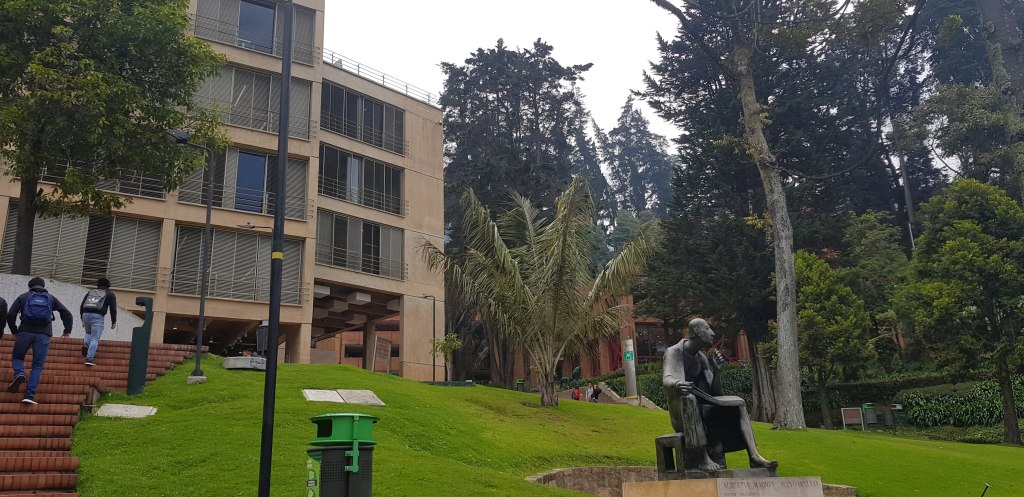
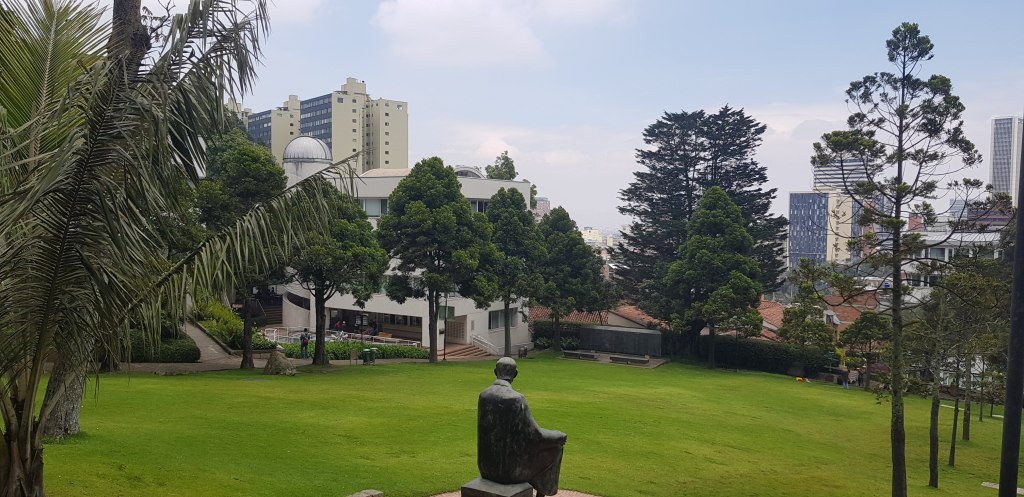
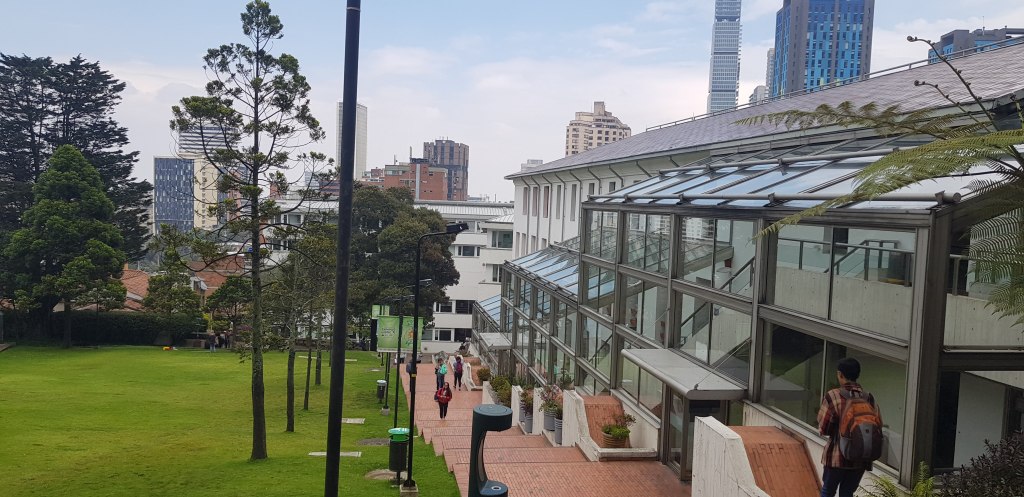
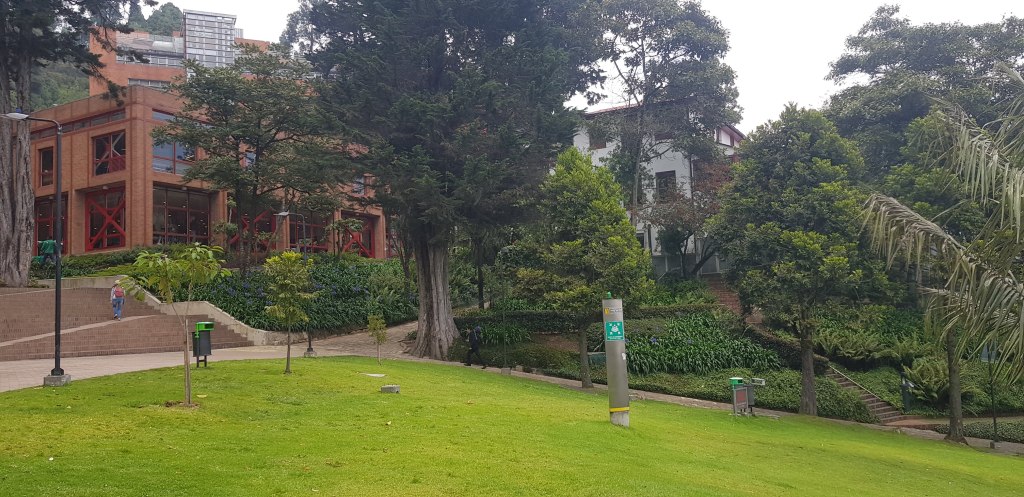
Generally speaking is the Universidad de Los Andes a very demanding university. Compared to my home institution, they are much stricter with marking and require way more work than Essex ever did. Part of me wants to travel and see Colombia, but I also don’t really mind doing a lot for my studies. After all, it is an academic year abroad, and the professors provide a very high-quality education, so I try to appreciate the academic side of my year as well. That doesn’t mean I don’t ever get annoyed at the high workload though; that happens a lot. However, I am absolutely in love with the campus! It is huge and stunningly beautiful, with very good facilities and nice places to relax.

Other than my workload struggle, I am having the most amazing time. I am lucky to have met a ton of great people and we try to get the most of the city and its surroundings. Unfortunately, I haven’t had a lot of time to travel, but I will try my best to change this. I am very excited to go on a trip to the pacific coast in three weeks, which is supposed to be an incredible area of Colombia.

One thing we do weekly is play tejo. I am not sure if I can capture the beautiful insanity of tejo, but I will try: there are two teams and the goal is to throw a piece of metal (= a tejo) against a small wall of clay in a way to make it stick into the clay. There are also small triangles filled with black powder on that wall. If your tejo lands (and stays) within the circle of the triangles, you get more points. If your tejo hits one of the triangles, and it explodes, you gain even more points. The highest score is granted if you explode one of the triangles and your tejo stays within the small circle of black powder triangles. The difficulty is that you have to throw the tejo standing quite far from the clay wall, so hitting it in the first place takes some practice.

The beauty about tejo is its rule about payment: you don’t pay according to time played or how many tejos you have thrown. Both teams pay for a case of beer and as long as you have beer, you play. This results in all players’ intoxication levels rising over the course of the game. In short, tejo is essentially a drinking game. We play tejo pretty much on a weekly basis and while we’re still really bad at it, we have the best time playing it.

I have also established a joure fixe with a friend to climb Monserrate once a week. So far, we’ve done it twice after my near-death experience a few weeks ago, and we’ve improved! Our last record was 1h 6 min, next time we are aiming for under an hour. It feels good to finally get used to the altitude more and not nearly dying every time you try to climb a flight of stairs.

All in all, I am slighly stressed out about university, but in love with Bogotá and the people I have met so far. I definitely feel like I have made the right choice coming here and excited to see what the next months bring.

Ain’t no Mountain high enough! (Except when it’s located at ~3000 metres altitude)

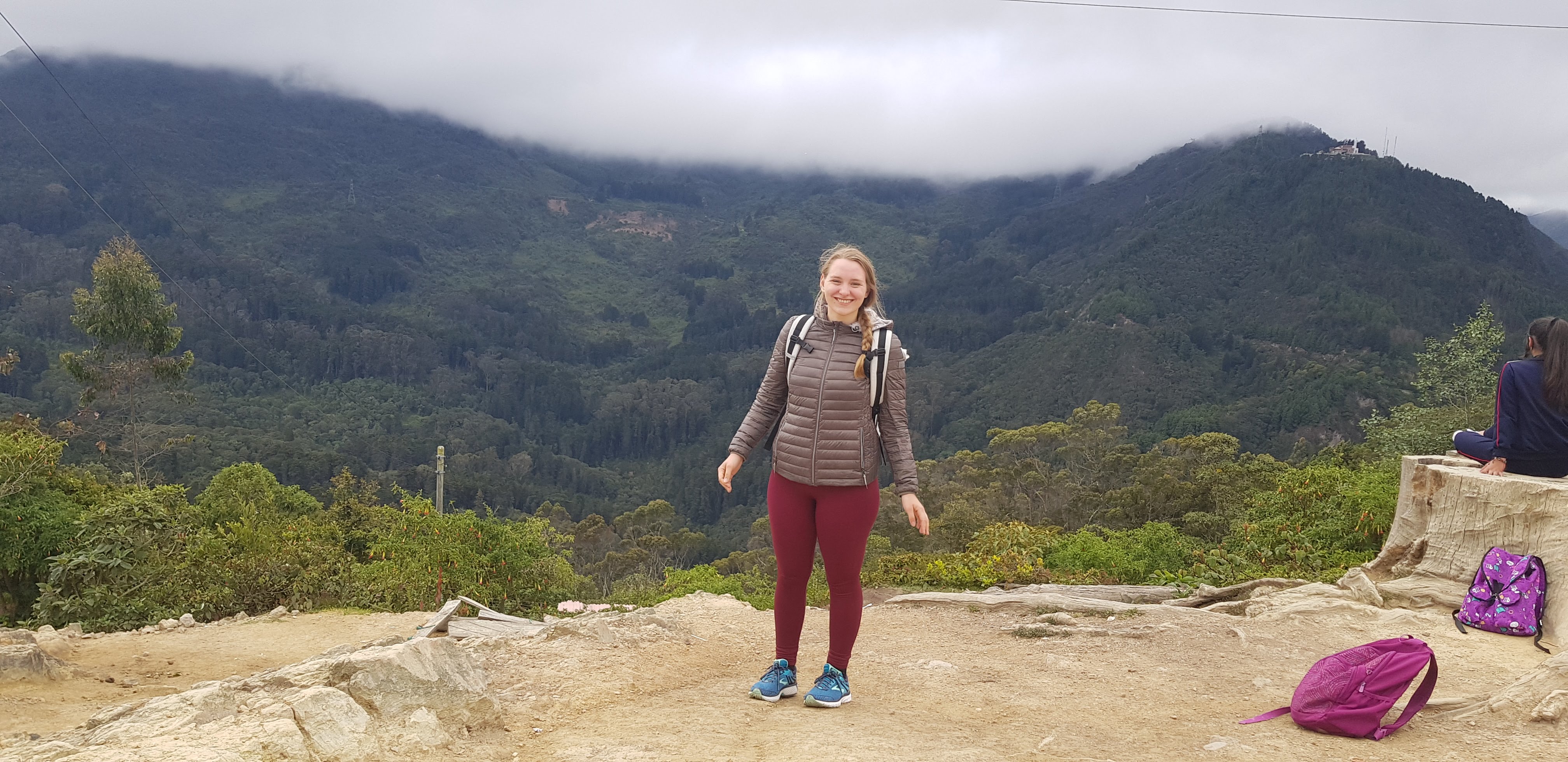
As I climbed up (okay, it was more like crawling) the last steps to the top of the stunning mountain Monserrate, I see the rest of my group, which had arrived at the top almost 30 minutes earlier, cheering me on and shouting that I had almost made it. With my face red as my leggings, sweating like a whore in church and my heart pumping like there’s no tomorrow (literally felt like I wouldn’t see tomorrow at times), I made my last steps towards the church that sits on top of Monserrate.

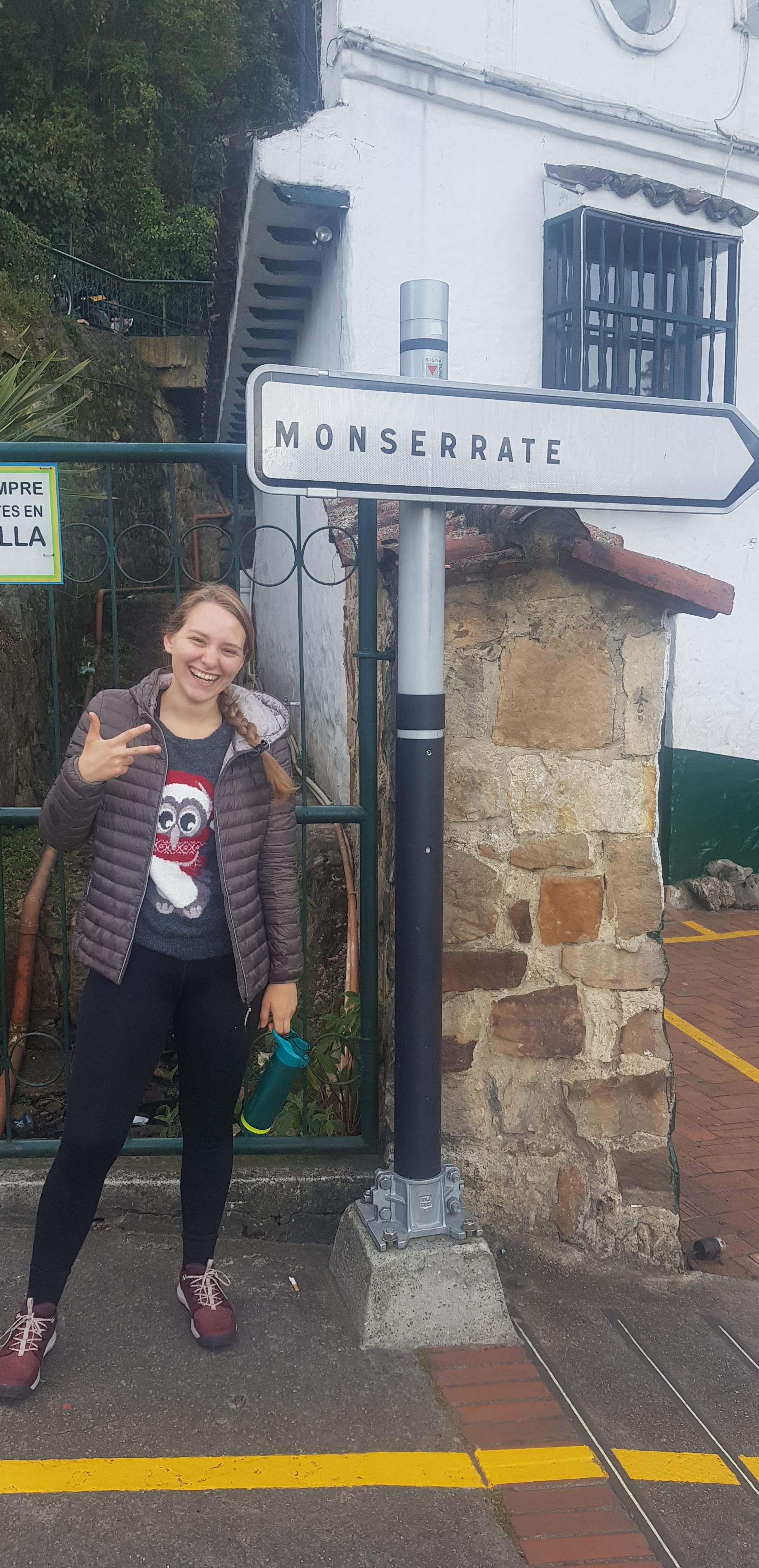
Fun fact: climbing up the popular tourist attraction in Bogotá, a city that itself is located on a whopping 2 640 metres above sea level, is not the best idea when you’ve only lived at the unfamiliar altitude for 4 days. Monserrate is not the most strenuous hike ever, but considering that the top of the mountain measures 3 152 metres, it is worth noting that breathing ain’t a breeze up there. I was hit hard with that reality when I presumptuously joined a group of fellow exchange students and a couple of locals to hike up Monserrate on a chilly Tuesday morning. ‘I’m sure it won’t be too bad’, I thought, ‘how much of an impact could the altitude have?’. Oh boy, was I wrong.

It took me about 1.5 hours to get to the top of Monserrate. The record is 17 minutes, one of the locals (who is a member of the hermanos sin fronteras) told us that his personal best-time was 24 minutes, usually it takes him around 40 minutes. I was the last person to finish the hike and I did so huffing and puffing and feeling incredibly dizzy. The difficulty of Monserrate is that it mostly consists of steep parts of stairs, with few level parts that can be used to catch one’s breath. This rather humbling experience taught me to take altitude differences seriously – the tightness in my lungs and dizziness made me think about giving up and turning back a few times.

To be fair, it is possible that I am simply blaming the innocent altitude of Bogotá for my hiking performance, when it reality it might have been my lack of physical fitness. But for my ego’s sake, let’s stick with the former explanation ;). I have made it my goal to face the mountain again once my body should have adjusted to the altitude more and report back – after all, I now have a time to beat!

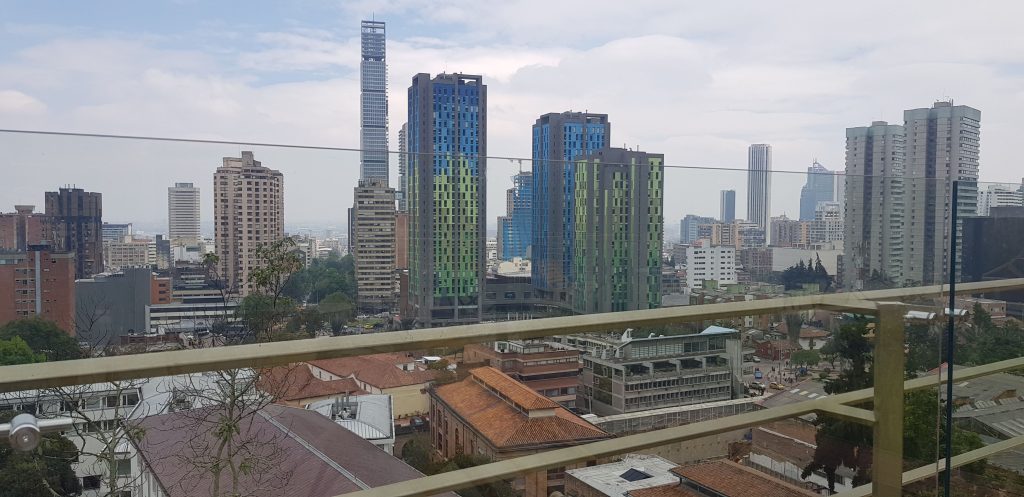
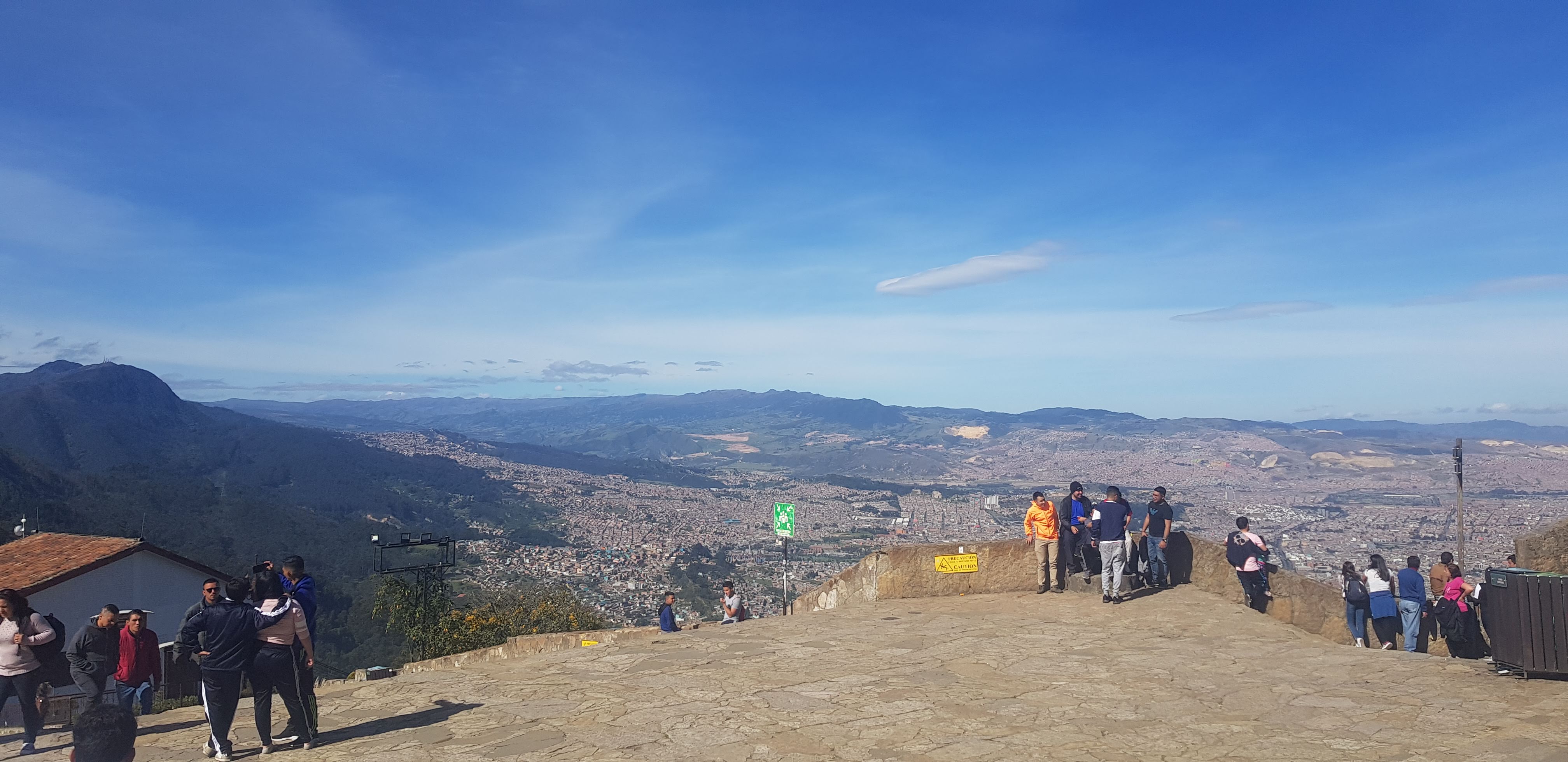
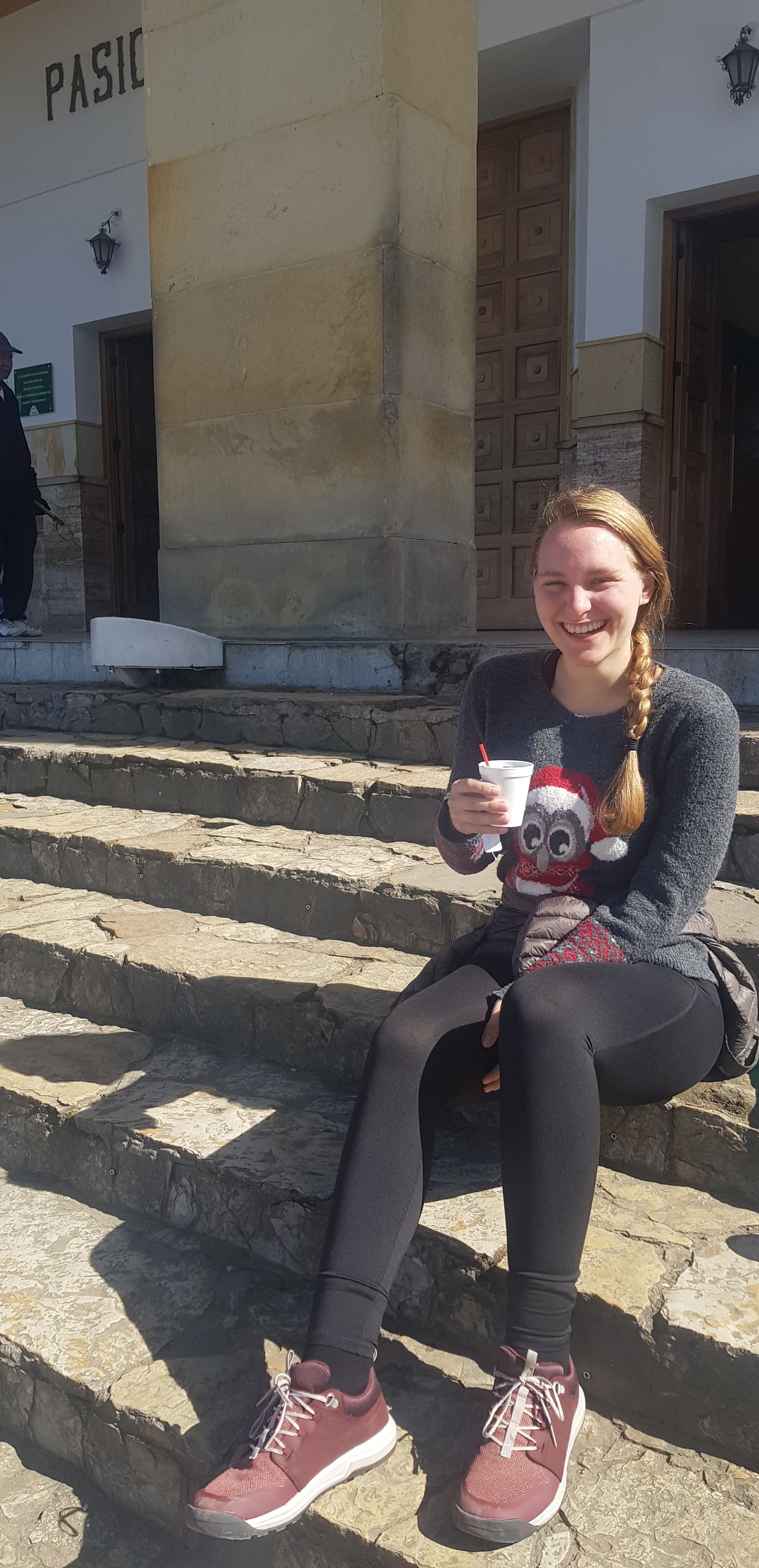
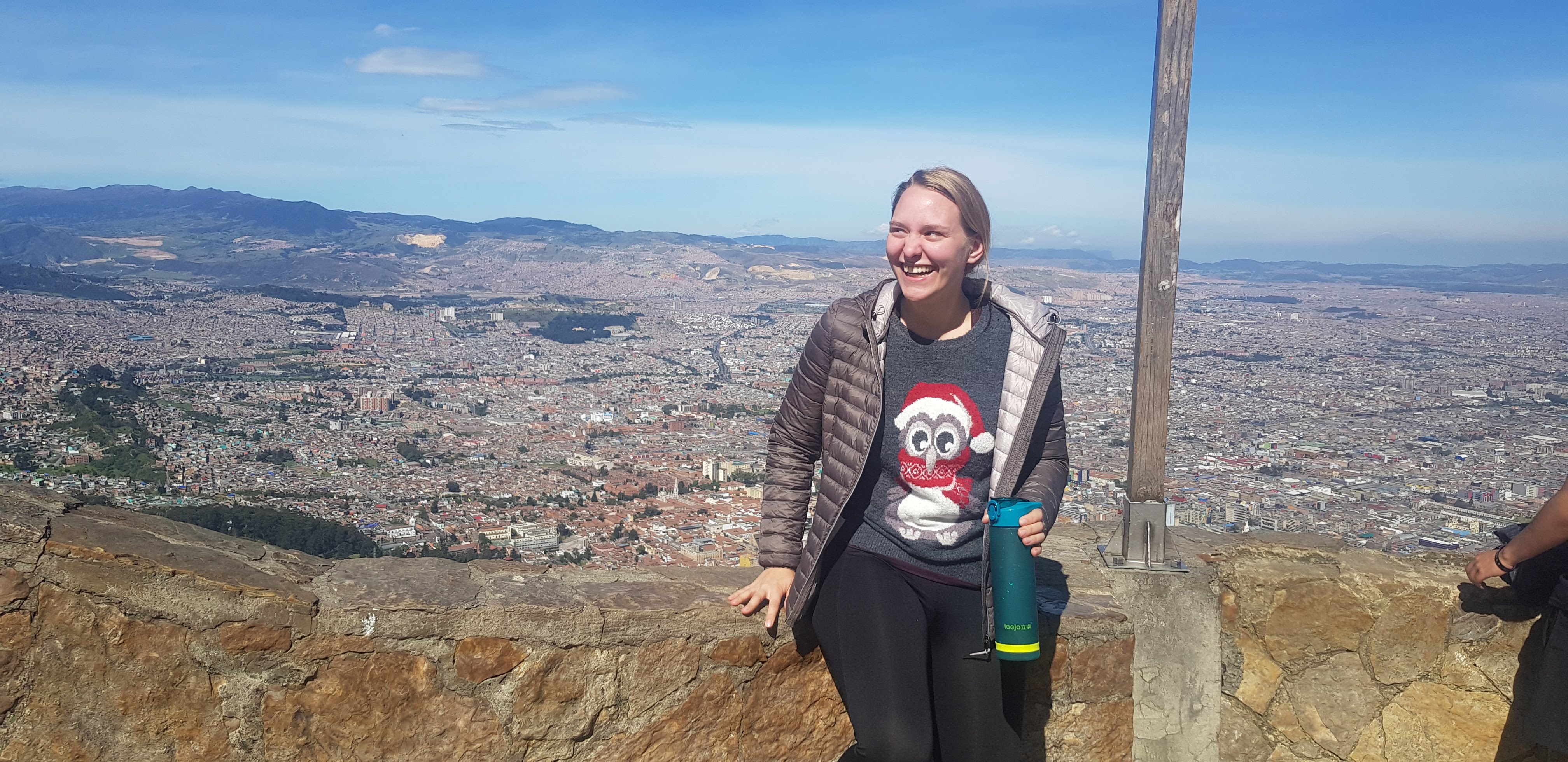
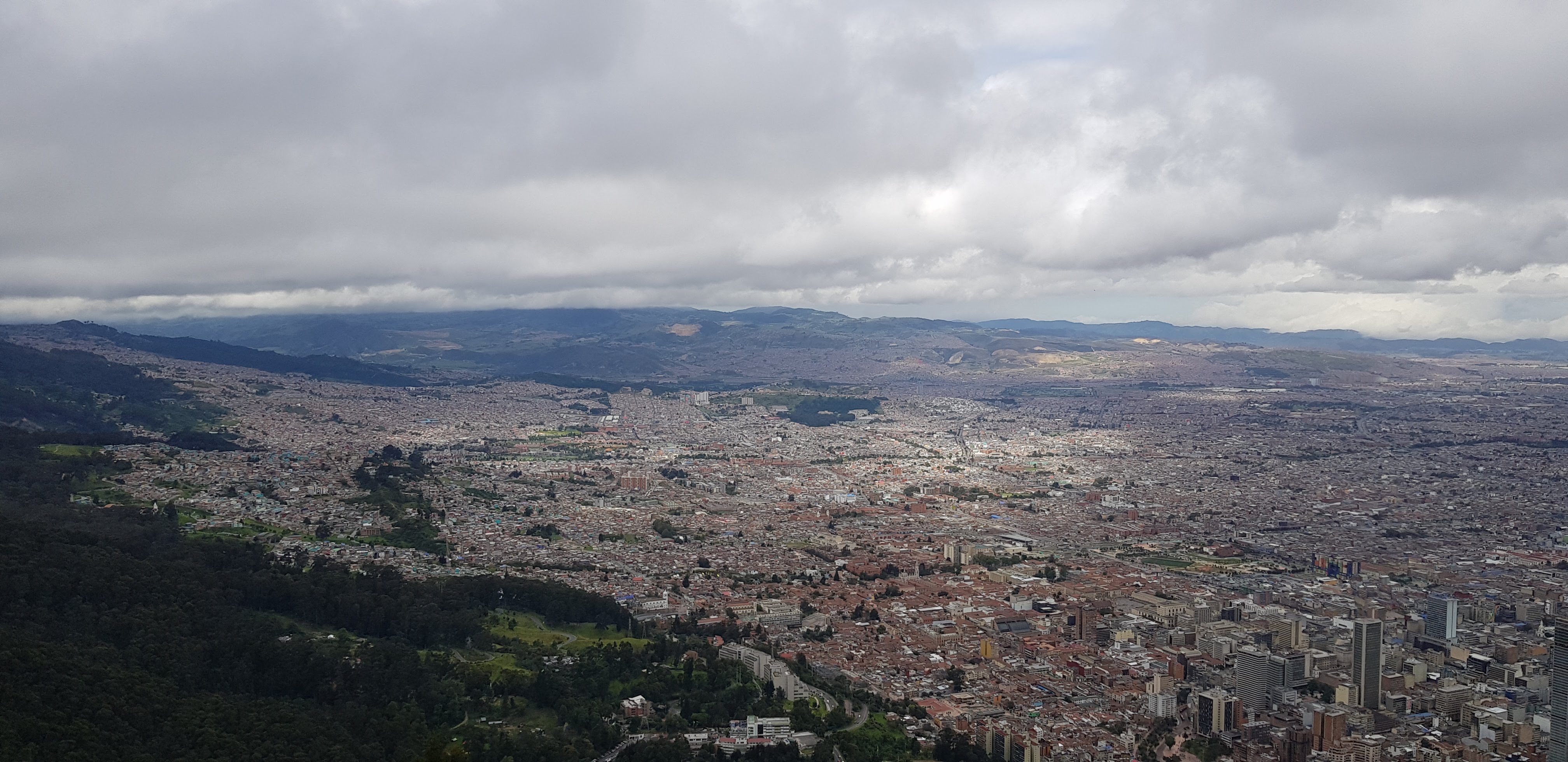
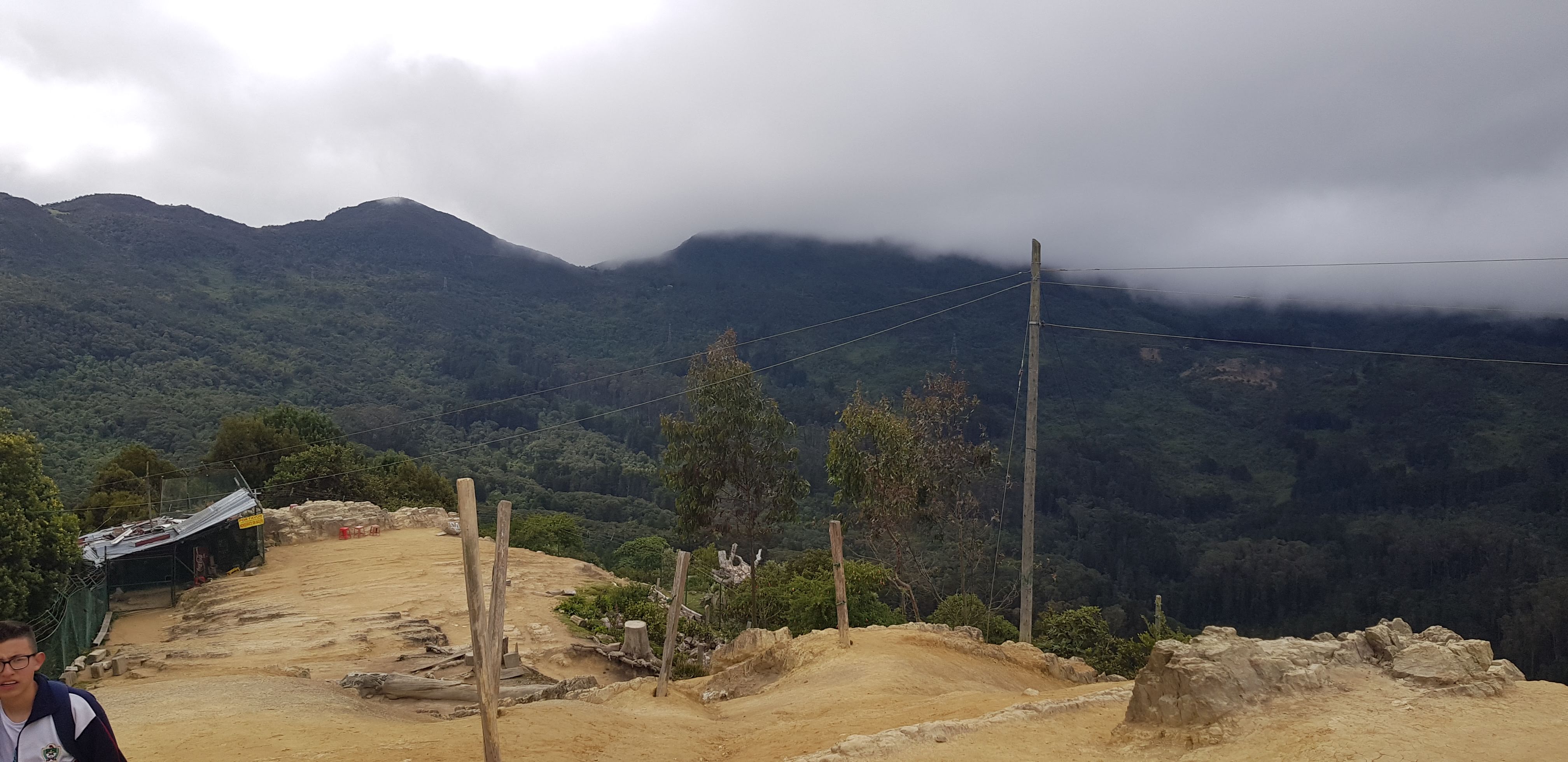
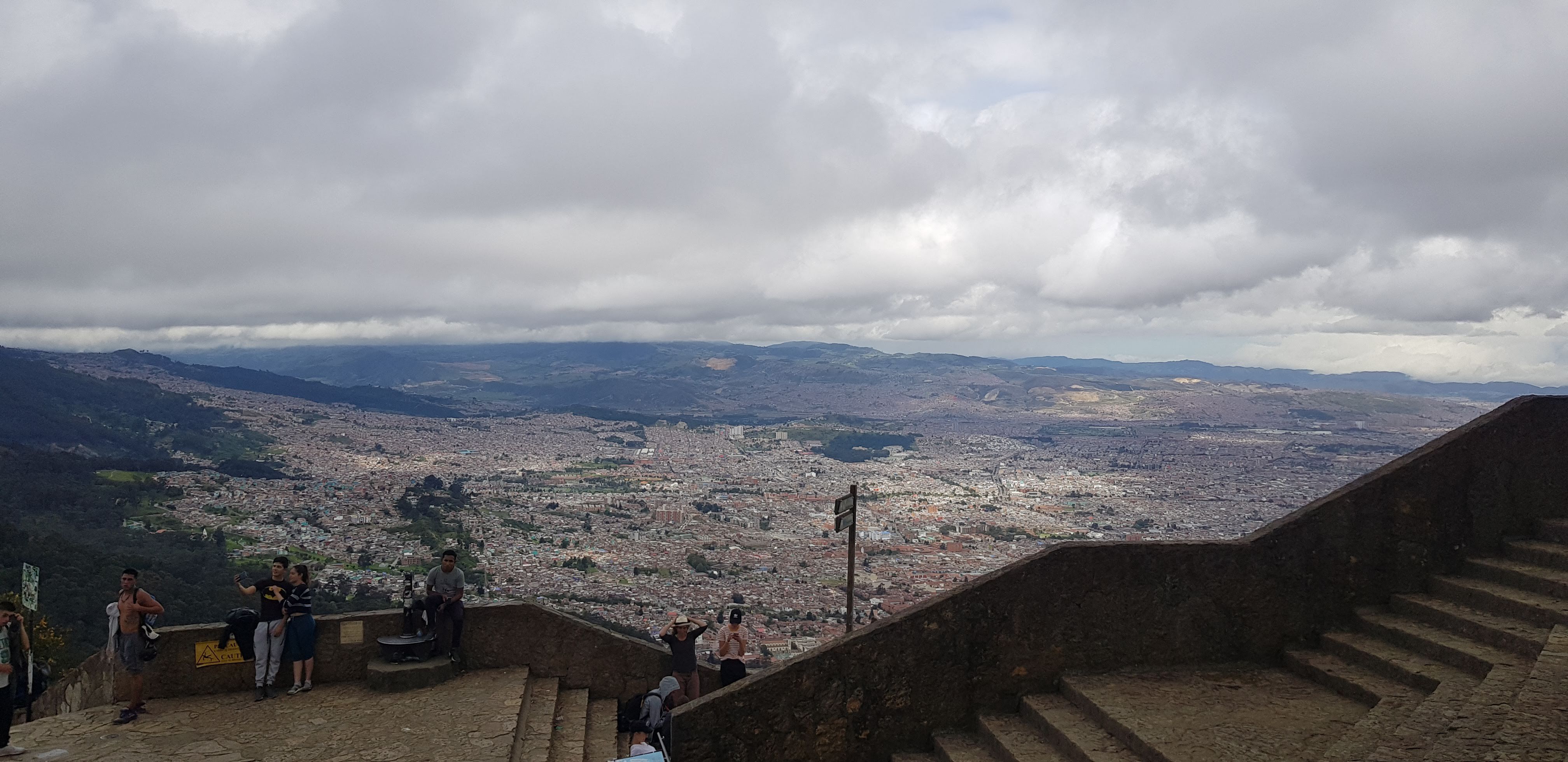
Regardless of my despair during my ascend, the view on top of Monserrate was totally worth it. Once you get up there, you have an amazing outlook on all of Bogotá, a city that seems to be never-ending. My group and I spent a while on the top, drinking tea and enjoying the scenery. However, this view can also be appreciated without feeling like you’re about to pass out – there is a cable car running daily that takes you up to Monserrate. Of course the sense of achievement after accomplishing the hike boosts the beauty of the mountain even more!

Exploring more of Bogotá

After two rather lonely days in Bogotá, I met up with other exchange students for an event organised by the ‘Hermanos sin fronteras’ (brothers without borders), a volunteer-based programme provided by my Colombian university in charge of organising social events and generally helping exchange students. I have to say that the ~10 hours we spent exploring the area around our university were an absolute blast and I am super happy to share my experience in Colombia with such fun and lovely people from many different countries (well, mostly Germany).

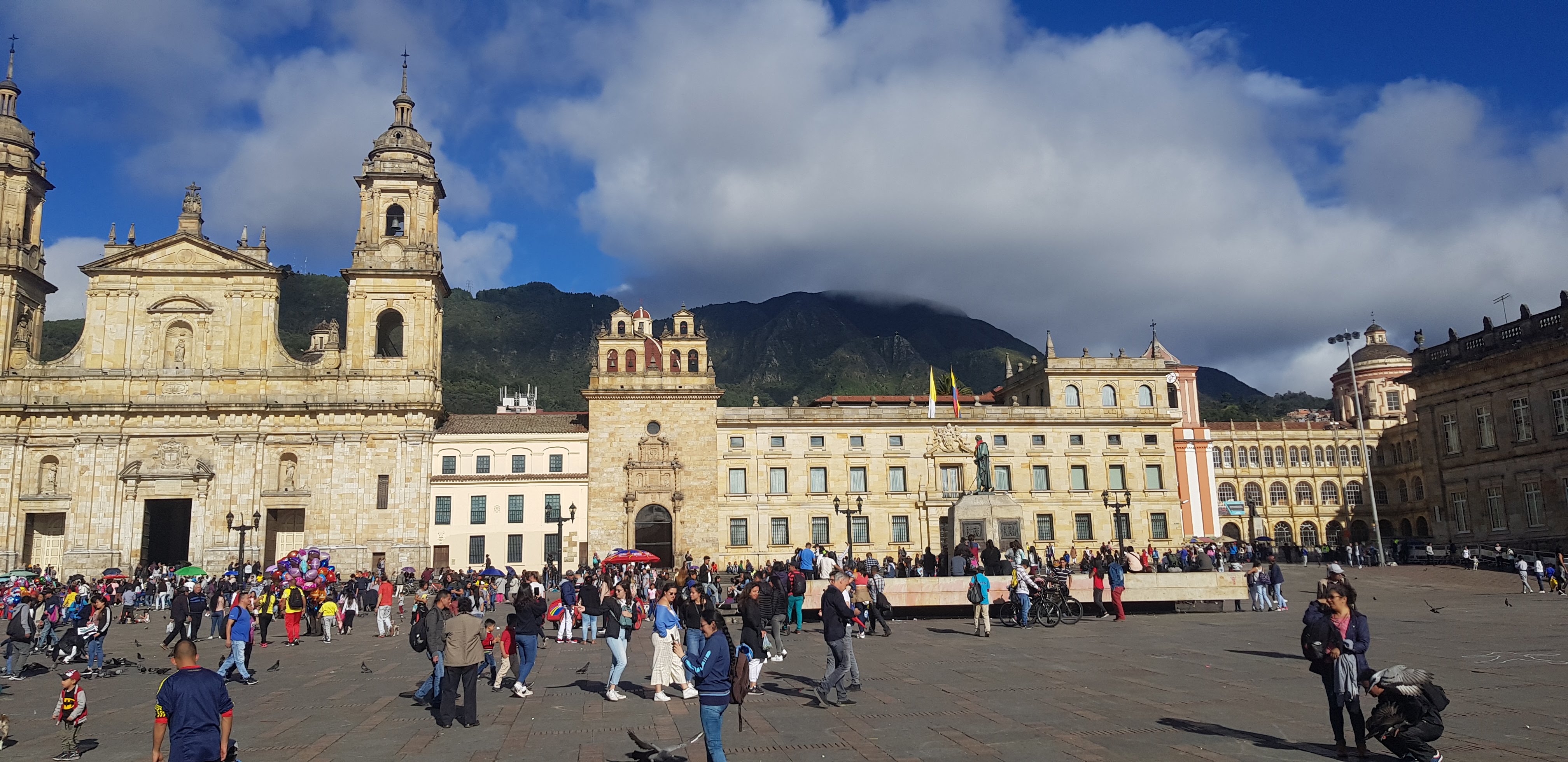
We covered three museums (Museo del Oro, Museo Botero and Museo Casa de Moneda), as well as wandering around the gigantic city. As the two volunteers are local to Bogotá, they not only showed us well-known tourist sights like the Plaza Bolívar, but also beautiful hidden parts that tourists usually wouldn’t have the pleasure of discovering. All of the museums were amazing (unfortunately it didn’t come to my mind to take pictures in any of them) and walking around Bogotá with a local’s perspective gave the city and entirely different feeling. After this day I felt much more at home in this foreign place, in addition to having had the opportunity to practice my Spanish quite a lot!

Arrival and Anxiety – My first two days in Bogotá

Arriving in Bogotá was similar to what I had expected: mixed emotions of exhaustion, excitement, anxiety, curiosity and ‘can’t-believe-I’m-really-doing-this-ness’ flooded my thoughts as I stepped out of the plane into the chilly Colombian capital. Going through immigration and customs was easier than expected and soon I found myself in the lobby of my student accommodation. After a little while I was finally able to move into my room, where I essentially collapsed into my bed at around 9 pm local time (3 am in Austria).

Waking up the next day had me filled with excitement and I was eager to start my day. This motivation was reduced quickly due to my jet lag as well as sudden anxiety about exploring this huge, foreign city that I knew next to nothing about. I wasn’t sure which areas were dangerous, how to navigate through the busy streets, communicate with the locals and not to immediately out myself as a Colombia-newbie. Therefore, working up the courage to get out of bed and into the rainy, chaotic streets of Bogotá took me a while. And even then, I was only capable of walking down the street to a Subway store, buy a sandwich in broken Spanish, and quickly make my way back to my safe room, before feeling too overwhelmed by the unfamiliar and crowded neighbourhood that was supposed to be my home for the next months.

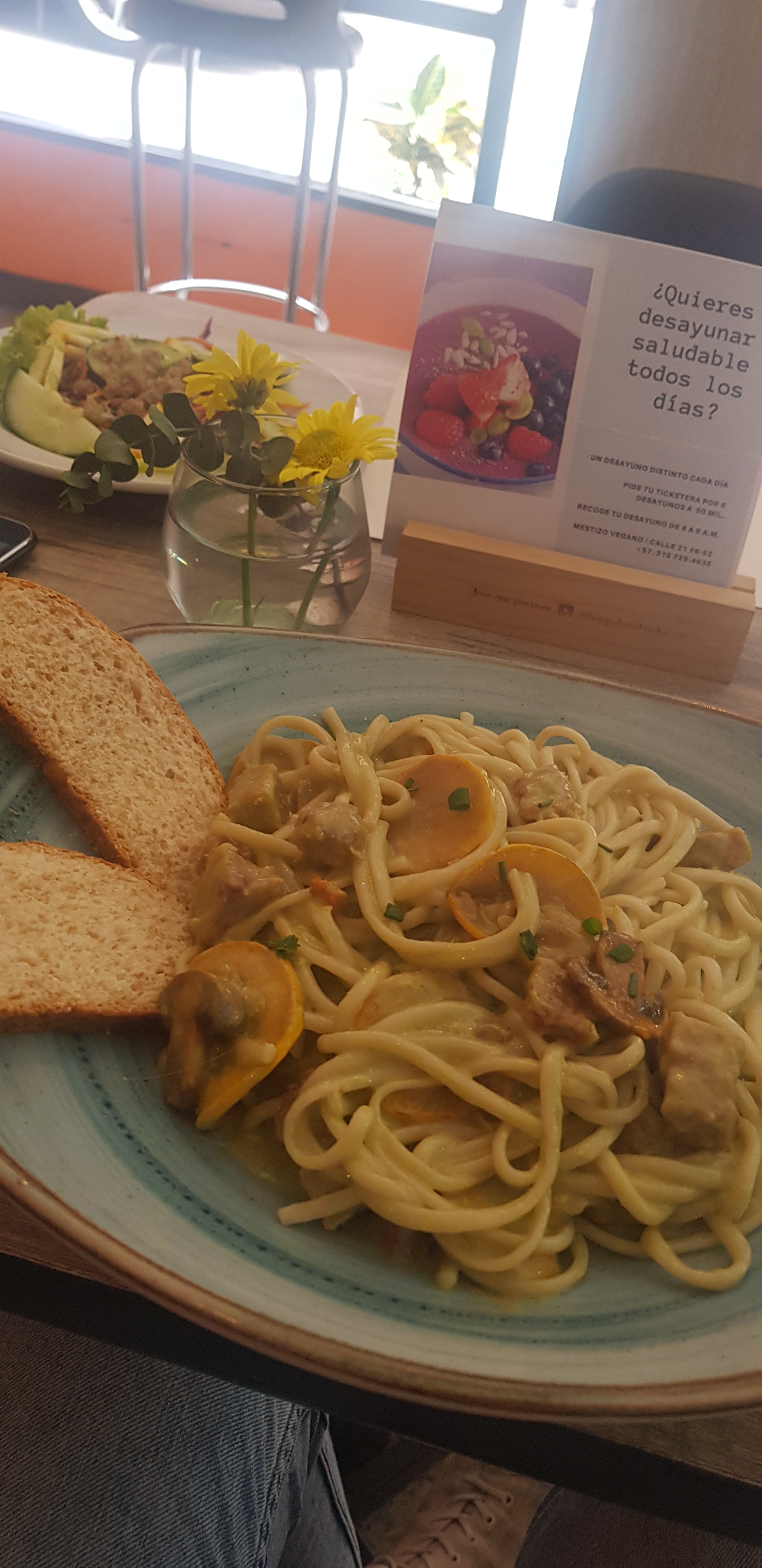
Luckily, day two was blessed with a slightly more confident me and I spent the day getting coffee, running some errands, and even discovering an incredible vegan restaurant very close to my flat: Mestizo Vegano (I took an outrageously shitty picture of my food that doesn’t do it justice at all – will try to step up my photography game and post better pictures in the future).

Pasta with green pesto and mushrooms (it was really delicious and looked a lot better in reality)

All in all, although I still feel overwhelmed by the sheer size, foreign culture and language of this city, I am now back to being excited about my time here. I knew that it would be challenging (and I am perfectly aware that there are a lot more challenges to come) and I am ready to face all of it.